
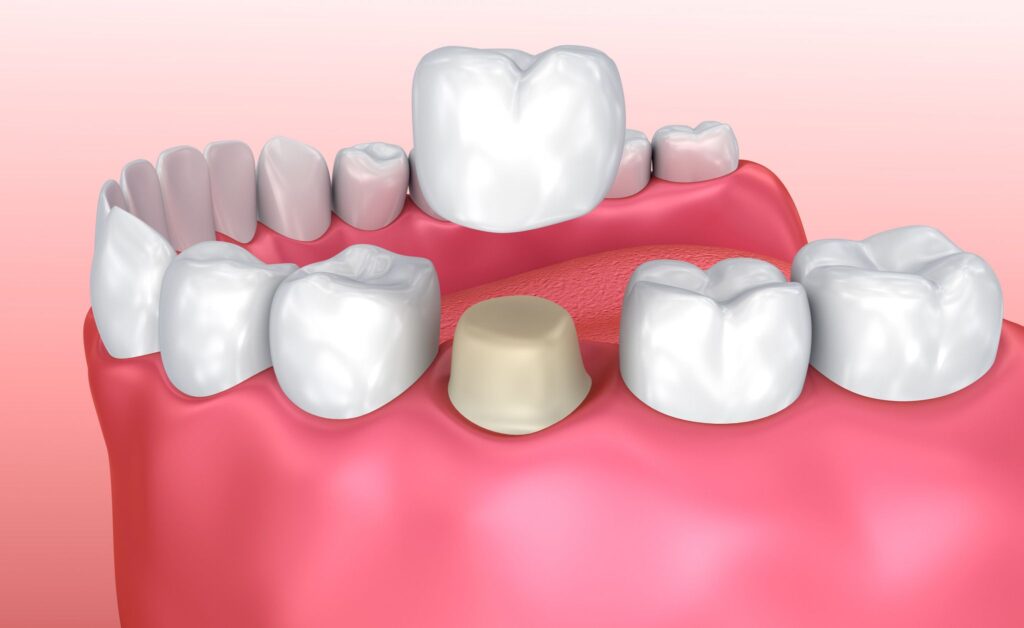
A dental crown is one of the most reliable restorative treatments available, protecting a damaged tooth and restoring both function and appearance. Once your crown is placed, proper aftercare is essential for comfort, longevity, and overall oral health. Understanding what to expect after your appointment and how to care for your new crown at home will help ensure it lasts for many years.
Understanding the First Few Days
It’s completely normal to experience mild sensitivity or tenderness in the hours and days following the placement of a dental crown. Your tooth and the surrounding gum tissue have likely undergone some reshaping. The area may need a little time to calm down. Sensitivity to hot and cold temperatures is also common. This typically improves on its own, but using a toothpaste designed for sensitive teeth and avoiding extremely hot or cold foods for a few days can help ease discomfort.
If your dentist used a temporary crown before placing the permanent one, you may notice your bite feels slightly different once the final crown is cemented. A properly fitted crown should feel natural, so if you feel persistent discomfort or your bite seems off, reach out to your dentist for an adjustment. Small bite corrections can make a big difference in comfort.
Eating and Drinking After Crown Placement
After your crown appointment, it’s best to wait at least an hour before eating to allow the cement to fully set. When you do eat, choose softer foods for the remainder of the day. As sensitivity subsides over the next few days, you can gradually return to your normal diet.
Even once you resume regular eating habits, try to chew harder or sticky foods on the opposite side of your mouth. While a well-made crown is strong, habits such as chewing ice, biting fingernails, or eating extremely sticky candies can damage or loosen it. Protecting your crown from excessive force will help extend its lifespan.
Daily Care and Oral Hygiene
Although a crown covers the visible part of a tooth, the tooth underneath is still vulnerable to decay and gum disease. This makes good oral hygiene critical. Brushing twice daily and flossing at least once a day will help protect both the crowned tooth and the surrounding gum tissue. When flossing around a crown, gently slide the floss in and out instead of snapping it up and down, which can put pressure on the crown’s edges.
If your dentist recommends a fluoride rinse or toothpaste, incorporating these into your routine can strengthen the natural tooth structure beneath the crown. Regular dental cleanings are also essential. Visiting your dentist every six months allows them to check the crown’s stability, ensure the margins are sealed properly, and identify any concerns before they become larger issues.
Managing Long-Term Crown Care
A dental crown can last anywhere from ten to twenty years or longer with proper care. However, longevity depends greatly on your habits. Grinding or clenching your teeth, even at night, can place tremendous strain on a crown. If you know you grind your teeth or if your dentist has observed signs of wear on your enamel, a custom nightguard is a valuable investment to protect both natural teeth and crowns.
Being mindful of sudden pain, sensitivity, or a change in how your crown feels is important. These can be early signs of damage, decay at the crown’s edge, or issues with the underlying tooth. Prompt evaluation by your dentist can prevent more complex treatment later.
Dental Crown Care in Medford, NJ
At Dental Creations, we are dedicated to preserving your natural teeth and oral health. Excessive decay or damage could eventually lead to the need for an extraction. But a dental crown could restore your bite. Contact our office today to schedule a consultation and learn more about your treatment options.