
Bleeding gums can be an alarming sign, especially when it happens during routine activities like brushing or flossing. While it might be tempting to ignore occasional bleeding, it’s often a symptom of an underlying issue that should not be overlooked. Understanding what causes bleeding gums can help you take the right steps toward improving your oral health and preventing more serious conditions.
Gingivitis: The Most Common Culprit
The leading cause of bleeding gums is gingivitis, the earliest stage of gum disease. It occurs when plaque, a sticky film of bacteria, accumulates along the gumline. If not properly removed through brushing and flossing, plaque can irritate the gums and cause inflammation. The result is swollen, tender gums that bleed easily when disturbed. Gingivitis is highly common and also highly reversible. Improved oral hygiene, including more consistent brushing and flossing, usually clears up gingivitis in a matter of days or weeks.
Periodontitis: When Gingivitis Goes Untreated
If gingivitis is left unaddressed, it can progress into periodontitis, a more severe form of gum disease. At this stage, the inflammation extends deeper into the gum tissue and begins to affect the bone that supports the teeth. This not only causes bleeding but can also lead to gum recession, loosening teeth, and eventual tooth loss. Periodontitis requires professional treatment and ongoing maintenance to manage. It’s a serious condition that can have long-term effects on both oral and overall health.
Poor Oral Hygiene Habits
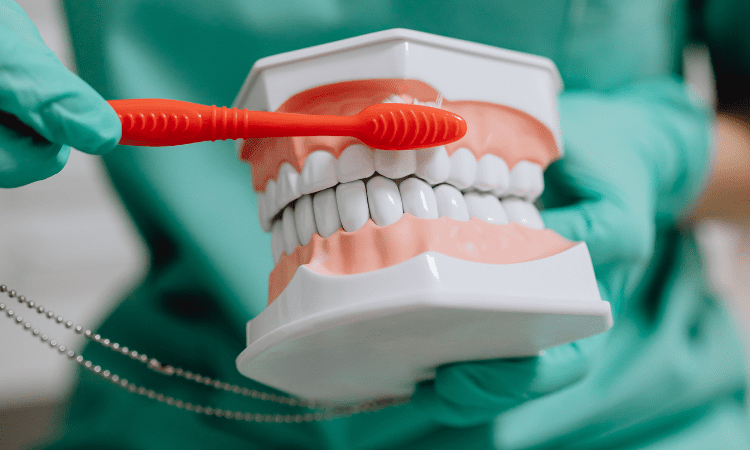
Neglecting proper oral care is a common reason for bleeding gums. Infrequent brushing and flossing allow plaque and bacteria to thrive, increasing the risk of gum inflammation and bleeding. On the other hand, brushing too aggressively can also cause bleeding by damaging the delicate gum tissue. Using a soft-bristled toothbrush and gentle, circular motions can help prevent injury while still effectively cleaning the teeth.
Vitamin Deficiencies and Nutritional Factors
A lack of certain vitamins, particularly vitamin C and vitamin K, can contribute to bleeding gums. Vitamin C plays a vital role in tissue repair and immune function, while vitamin K helps with blood clotting. Deficiencies in these nutrients can weaken the gums and make them more susceptible to bleeding. People with diets low in fresh fruits and vegetables may be at higher risk, highlighting the connection between nutrition and oral health.
Hormonal Changes and Pregnancy
Hormonal fluctuations, especially during pregnancy, can significantly affect gum health. Pregnancy gingivitis is a common condition in which gums become more sensitive and prone to bleeding due to increased blood flow and hormonal changes. While it often resolves after childbirth, it’s important for pregnant individuals to maintain good oral hygiene and visit a dentist regularly to manage symptoms and prevent complications.
Medications That Affect Gum Health
Certain medications can increase the likelihood of bleeding gums. Blood thinners like aspirin and warfarin reduce the blood’s ability to clot, making the gums more prone to bleeding. Other drugs, such as some types of anticonvulsants and immunosuppressants, may cause gum overgrowth or sensitivity. If you’re experiencing bleeding gums and are on medication, it’s worth discussing with your healthcare provider or dentist to explore possible connections.
Underlying Health Conditions
In some cases, bleeding gums may be a sign of a more serious underlying health condition. Disorders such as leukemia, diabetes, and certain blood clotting disorders can manifest with oral symptoms, including bleeding gums. Persistent or unexplained bleeding should be evaluated by a medical professional, especially if it’s accompanied by other signs like fatigue, swelling, or unexplained bruising.
When to Seek Professional Help
Early diagnosis and treatment can prevent minor gum irritation from turning into serious periodontal disease. Regular dental check-ups, good oral hygiene, and a balanced diet are key strategies in maintaining healthy gums and a confident smile.
At Dental Creations, we are committed to your oral health. While the occasional case of bleeding may not be a concern, it’s always a good idea to get a check-up. Contact our office to schedule your consultation and learn more about your gum health.