
Getting a dental bridge is a significant step toward restoring your smile, bite, and oral function. Whether your bridge is fixed, removable, or supported by implants, proper care is essential to maintain its longevity and protect your overall oral health. Unlike natural teeth, dental bridges require special attention to avoid complications like decay of supporting teeth or gum disease.
Understand the Structure of Your Bridge
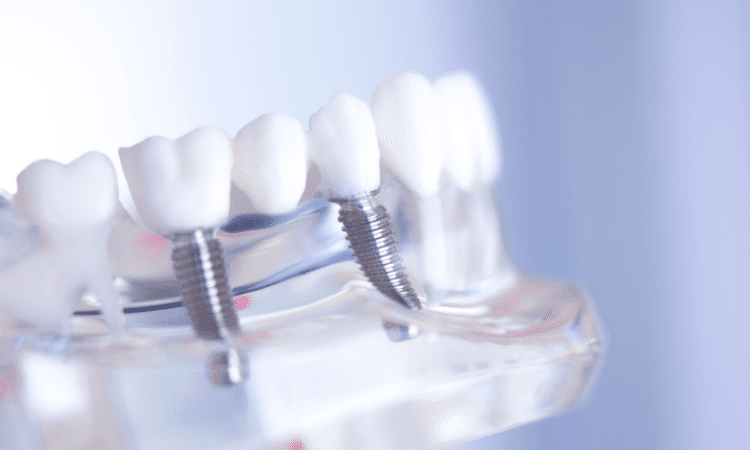
A dental bridge typically consists of one or more artificial teeth, called pontics, anchored by crowns on adjacent healthy teeth or implants. These anchoring teeth are called abutments. Since the bridge spans across a gap in your mouth, cleaning around and underneath it is more complicated than cleaning individual teeth. Understanding how your bridge is constructed can help you adopt the right hygiene practices and recognize when something might be wrong.
Prioritize Daily Cleaning
One of the most important parts of dental bridge care is maintaining impeccable oral hygiene. Plaque and food particles can easily get trapped around the bridge, especially underneath the pontic. You can’t rely on a toothbrush alone to clean these areas. In addition to brushing twice a day with a fluoride toothpaste, use special tools such as floss threaders, super floss, or interdental brushes to clean beneath the bridge. Water flossers can also be effective in flushing out debris in hard-to-reach spots. Flossing under the bridge is crucial because it helps prevent gum inflammation and decay in the abutment teeth. Skipping this step could lead to serious problems down the road, including bridge failure.
Choose the Right Toothbrush and Toothpaste
Use a soft-bristled toothbrush to prevent damage to both your natural teeth and the materials used in your bridge. A toothbrush with a small head can help you better maneuver around the bridge and reach tight spaces. Avoid abrasive toothpaste, especially if your bridge contains porcelain, as harsh ingredients can wear down the surface over time and diminish its appearance. Electric toothbrushes can also be useful if you struggle with manual dexterity or simply want a deeper clean. Look for models that are gentle on dental work but thorough enough to remove plaque effectively.
Stay on Top of Dental Appointments
Regular dental checkups are essential for anyone with a dental bridge. Your dentist will examine the integrity of the bridge, check for signs of wear or damage, and ensure the surrounding teeth and gums remain healthy. Professional cleanings can also remove tartar buildup that brushing and flossing might miss. During your visit, don’t hesitate to mention any discomfort, unusual sensations, or changes in how your bite feels. Early detection of problems like loosening, gum recession, or decay around the abutments could save you from more invasive procedures later.
Watch What You Eat
While modern dental bridges are designed to be strong and durable, certain dietary habits can shorten their lifespan. Avoid chewing on hard foods like ice, nuts, or hard candy, which can crack the bridge or damage the abutment teeth. Sticky foods such as caramel or chewing gum can pull at the bridge and cause it to loosen over time. Opt for a balanced diet rich in fruits, vegetables, lean proteins, and dairy. These foods support gum health and provide the nutrients necessary to maintain the underlying bone structure that supports your bridge.
Monitor for Warning Signs
Even with excellent care, complications can sometimes arise. Watch for signs like persistent bad breath, a bad taste in your mouth, soreness around the bridge, or movement of the bridge itself. These symptoms could indicate infection, decay under the crowns, or issues with the gum line. If you notice any of these, schedule a dental visit promptly.
Dental Bridge Care in Medford, NJ
At Dental Creations, we are committed to helping you achieve and maintain a healthier smile. If you have tooth loss, your oral health could be at risk. But a dental bridge could restore your bite and improve your quality of life. Contact our office today to schedule a consultation and learn more about how to care for your dental restorations.